
A Weekend at Wasa
A written story by Tiffani Hall (SAIT PHOTO003 STUDENT)
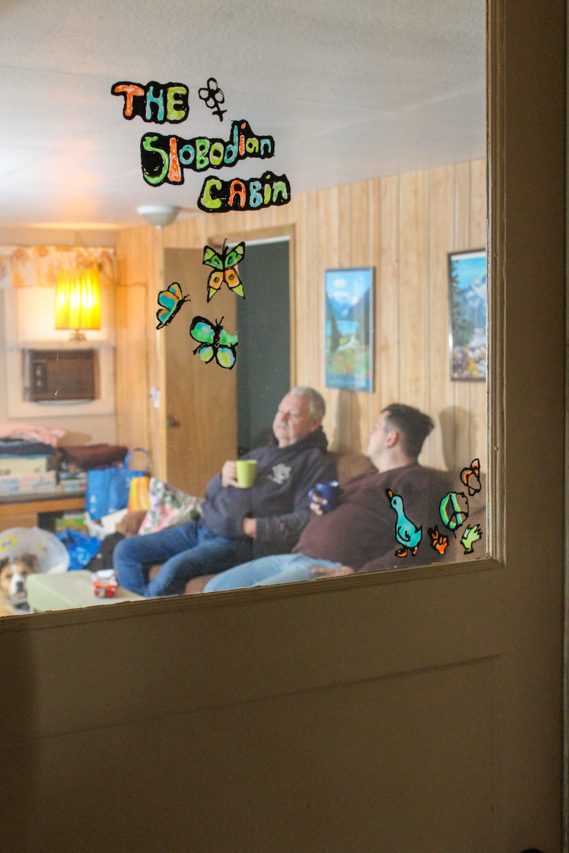
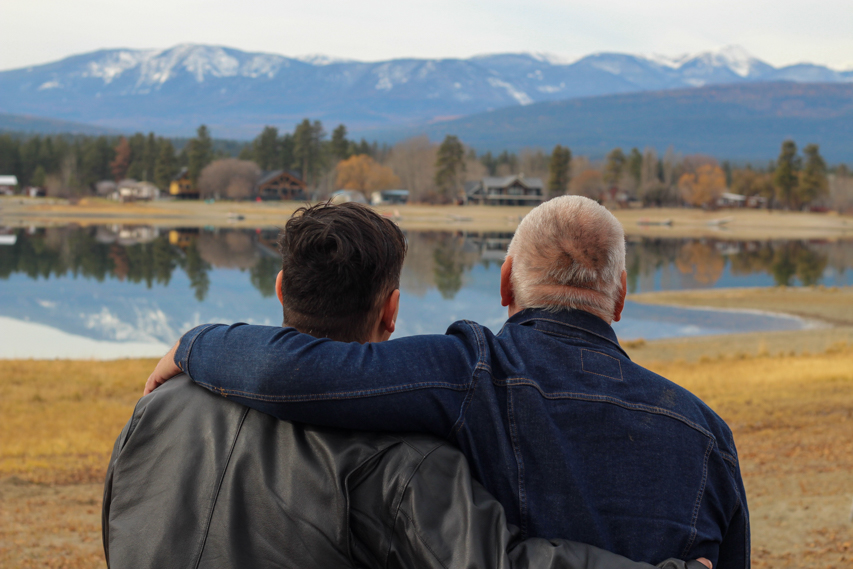
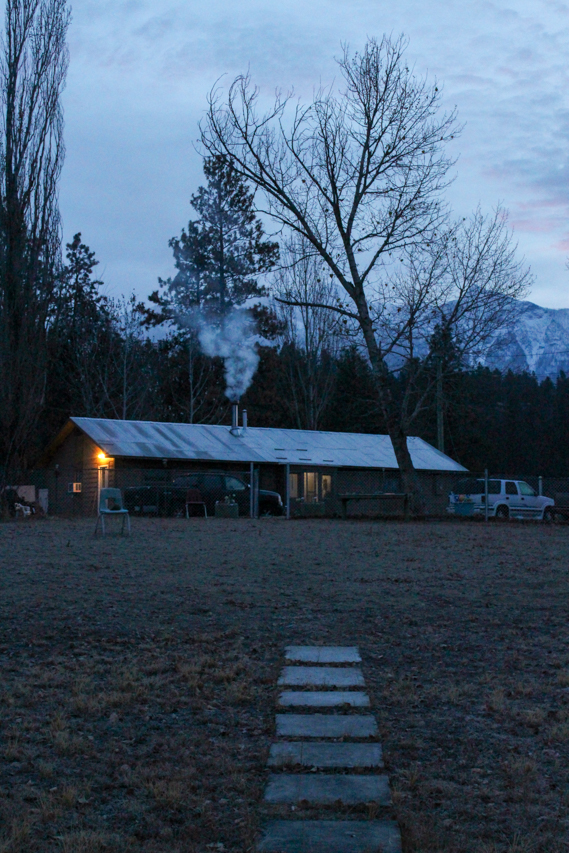
The frost had already settled across Wasa Lake by the time we arrived, painting the shoreline in muted shades of blue and silver and quiet anticipation. It was early November—cold enough that the air stung our cheeks in the morning, but not yet the biting winter that would soon freeze the lake solid. The old Slobodian cabin stood waiting for us, its aged structure carrying the weight of four generations. Once a miner’s bunk from the Estella mine, it had been hauled here in 1957 by Bill Bailey and his son In law, Michael Alexander Slobodian—my partner’s namesake.
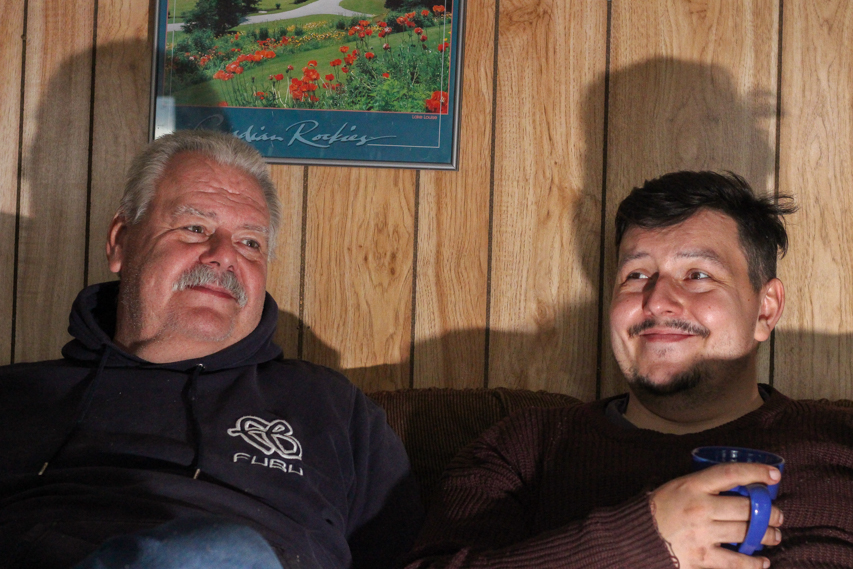
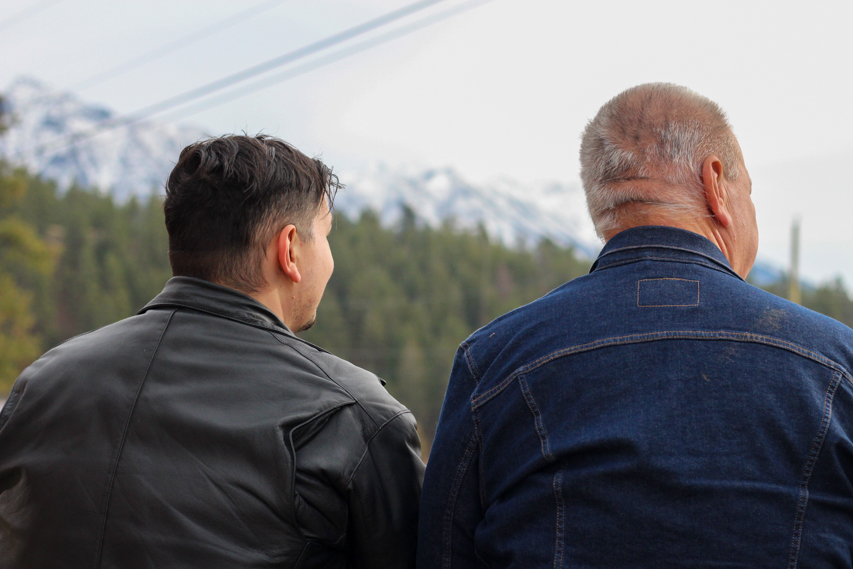
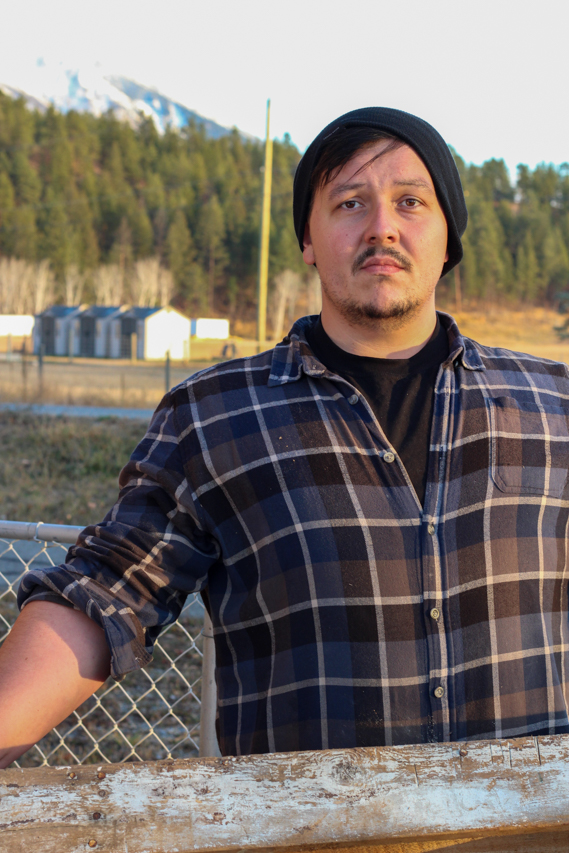
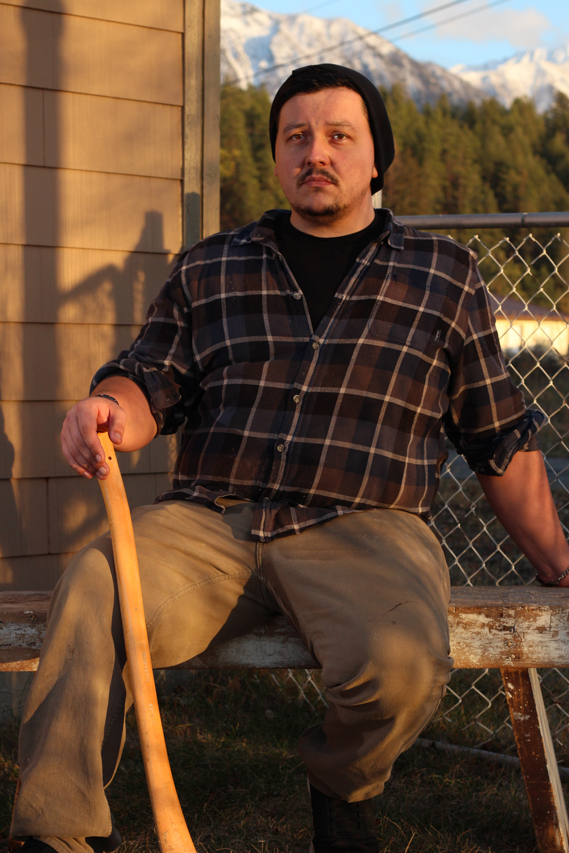
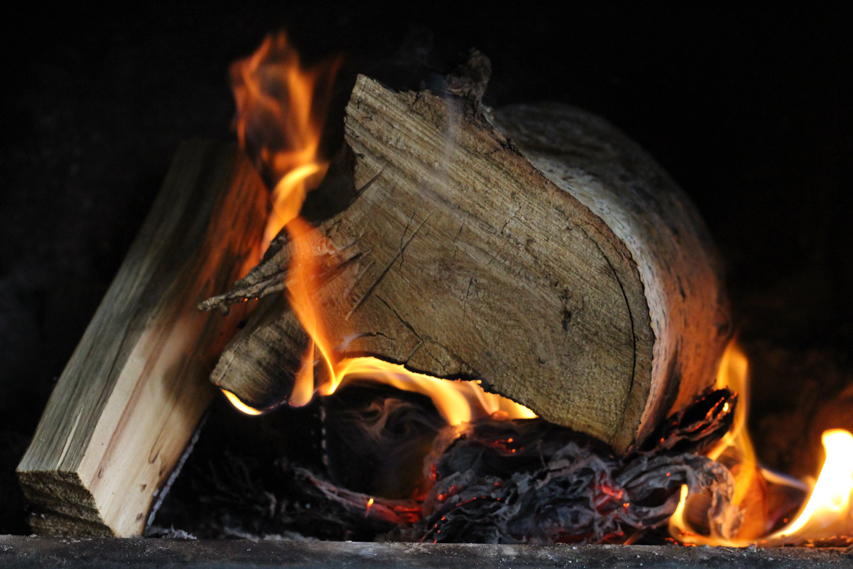
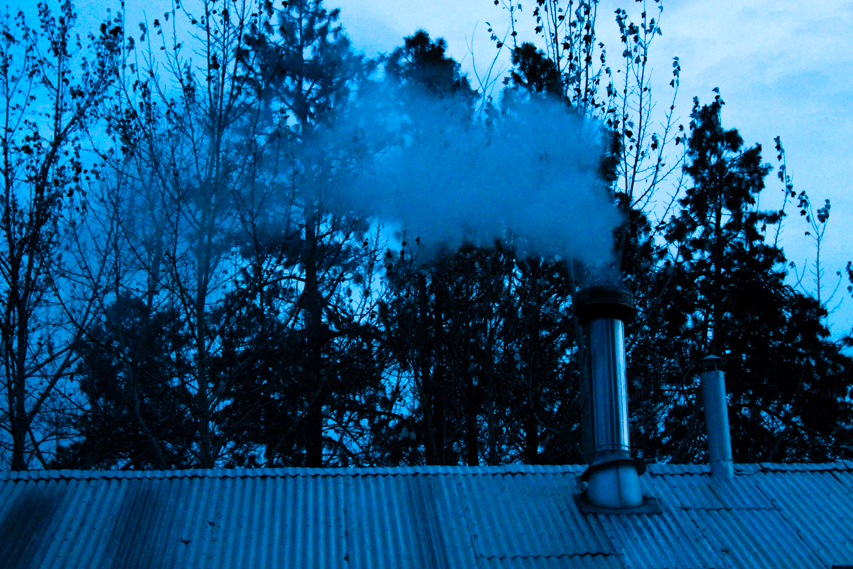
Now, decades later, Alexander stepped through the same doorway they once built, brushing his hand along the frame as though greeting an old friend. Inside, the wood-burning stove crackled softly, its warmth slow but steady—the same heat that had kept his family safe through countless winters. Daryl, his father, watched him with a fatherly pride, the kind that comes from seeing one’s history carried forward in the quiet gestures of a child now grown.
We had come to celebrate my thirtieth birthday, but beneath the small rituals of cake and laughter ran a deeper purpose. The family cabin was being sold. This visit, like every visit now, became an act of preservation—of stories, memories, and the land that had shaped them.
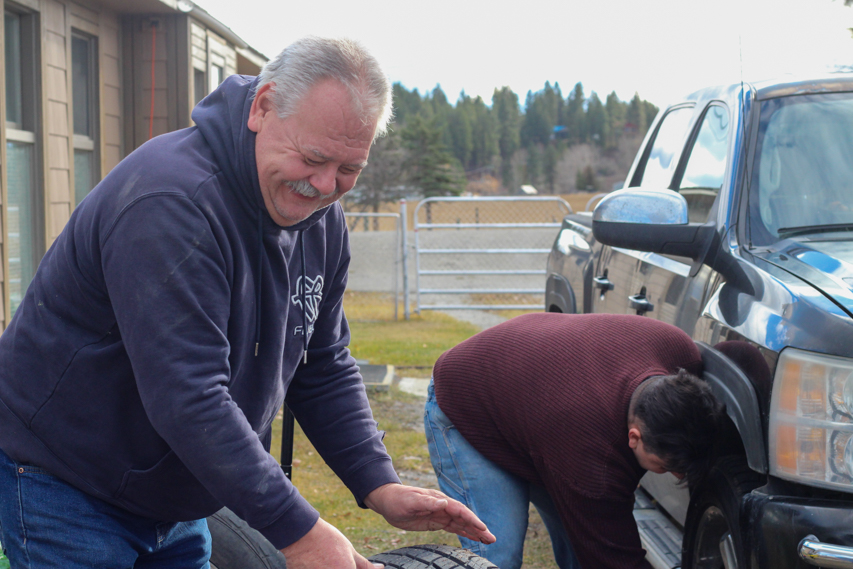
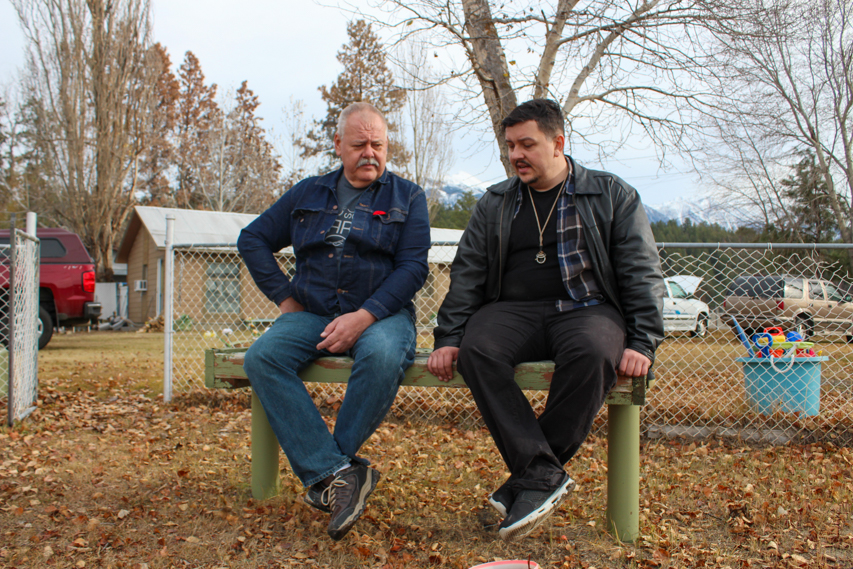
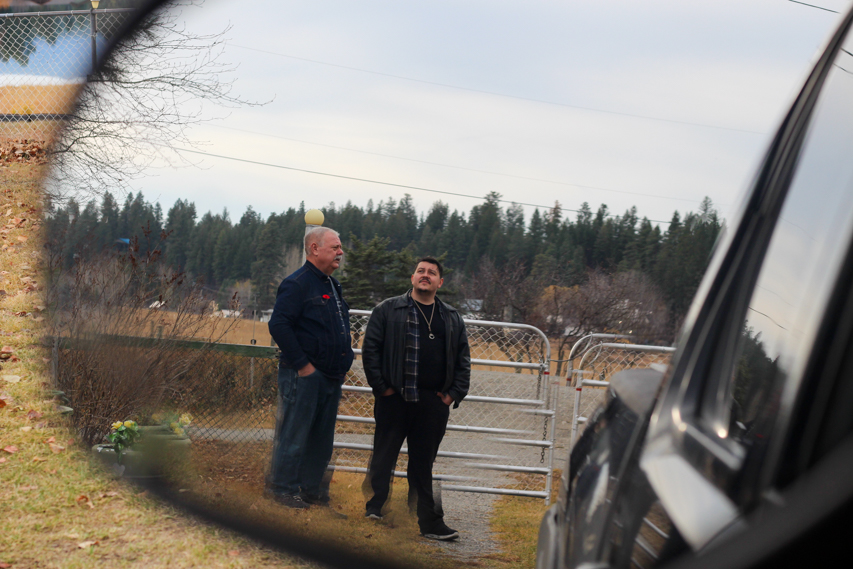
Outside, Father and son worked in companionable silence, changing the tires on Alex’s truck. Their voices rose occasionally with shared jokes or fragments of old stories.
I watched them—two men separated by decades, yet united by movements that echoed each other: the tightening of a bolt, the tilt of a smile, the way they brushed dirt from their hands.
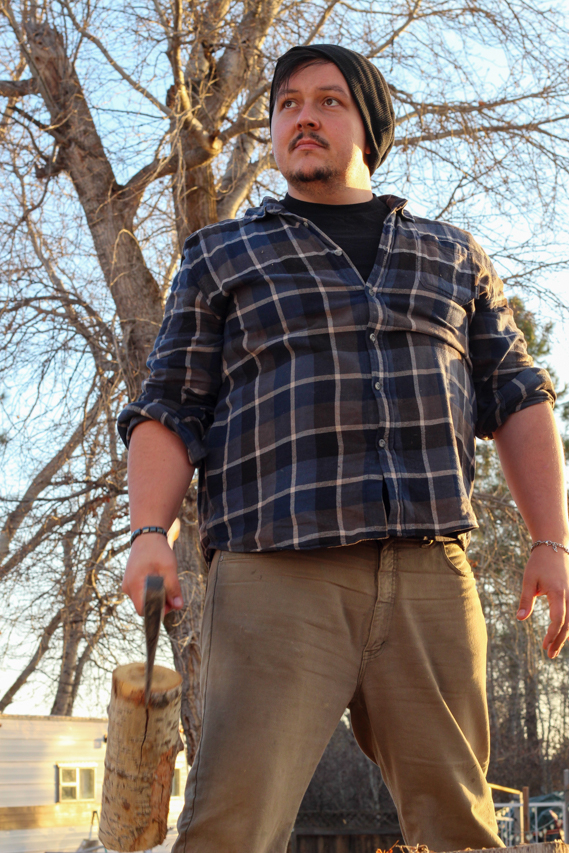
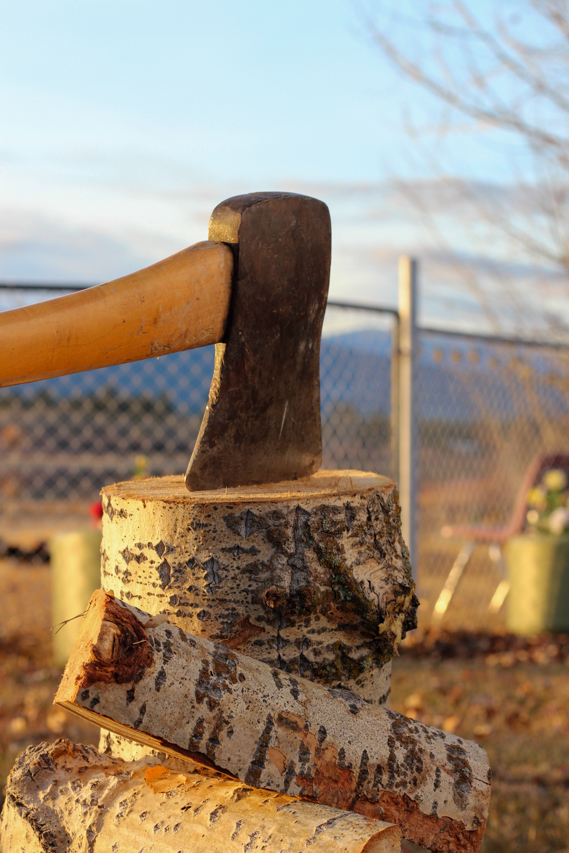
Later, Alex set to chopping firewood. The rhythmic thud of the axe carried through the trees,
blending with the crisp rustle of the lake’s breeze.
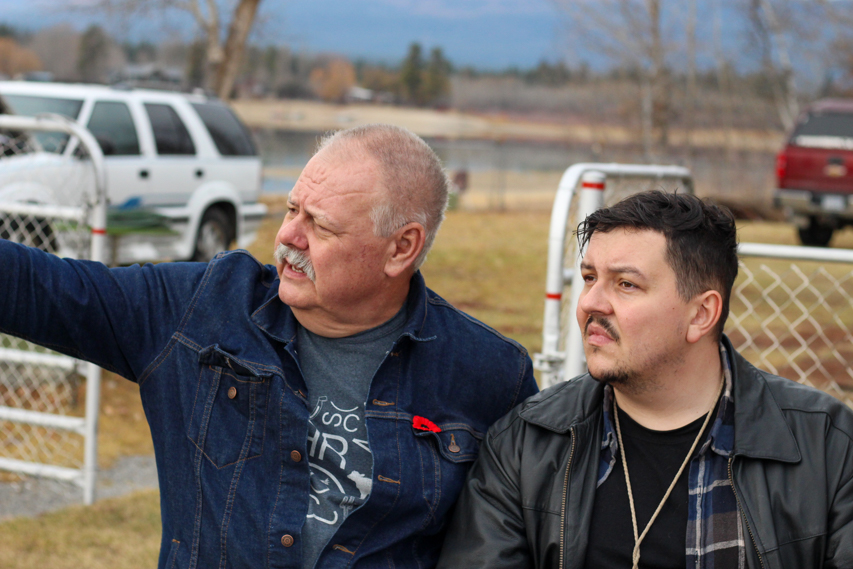
Each split log felt symbolic: an act of care, of contribution, of preparing this place for one last winter as theirs. Daryl stood nearby, quietly observing, and I could see the tenderness in his eyes—the ache of letting go, mixed with the gratitude of witnessing continuity.
As evening settled over the valley, the cabin glowed softly from within, the stove’s warmth spilling across the room. We sat together, listening to stories of past generations who had built this life board by board.
In that fading light, the cabin felt less like a building and more like a heartbeat—one that had pulsed through generations and now lingered in every breath we took, reminding us that letting go is, in its own way, another form of holding on.